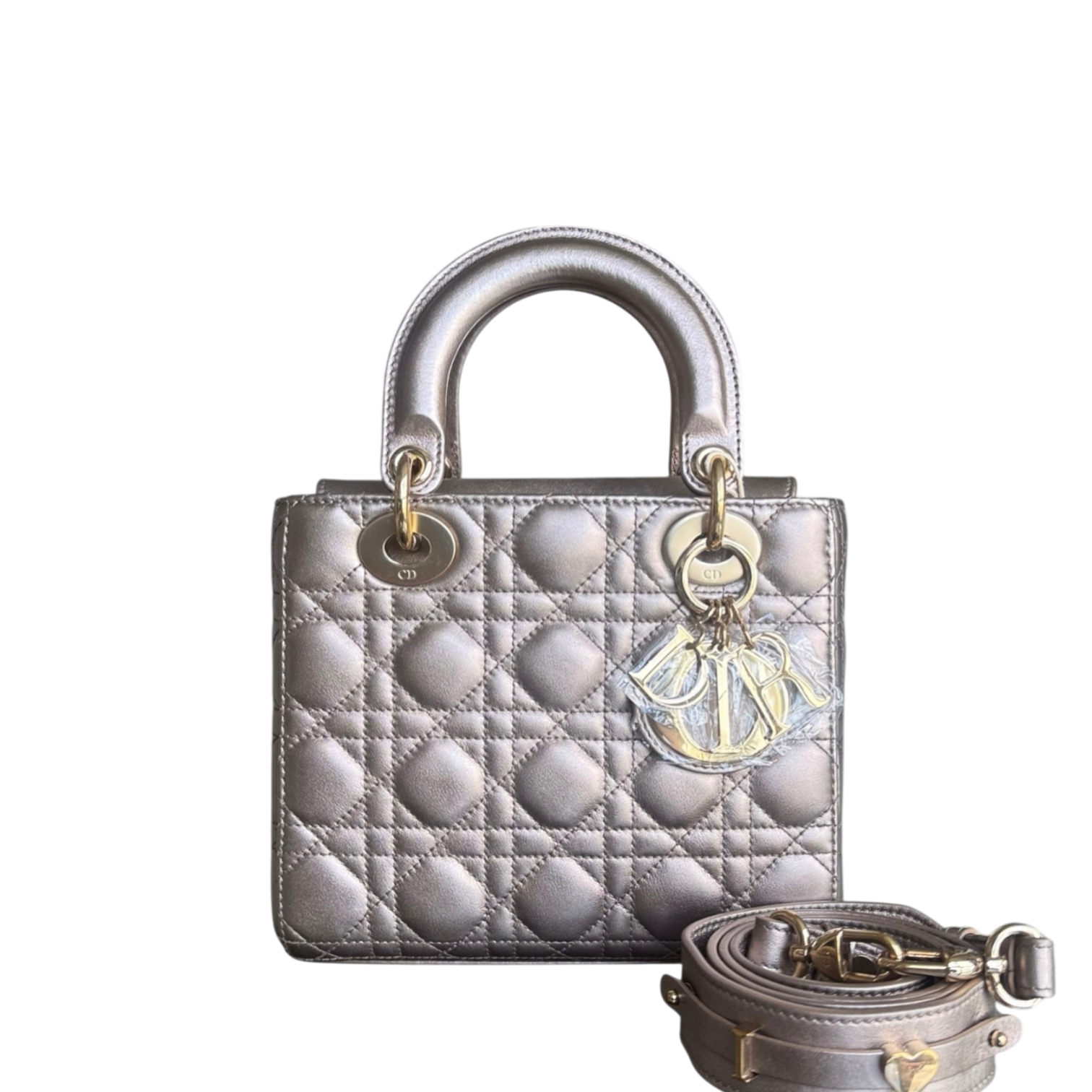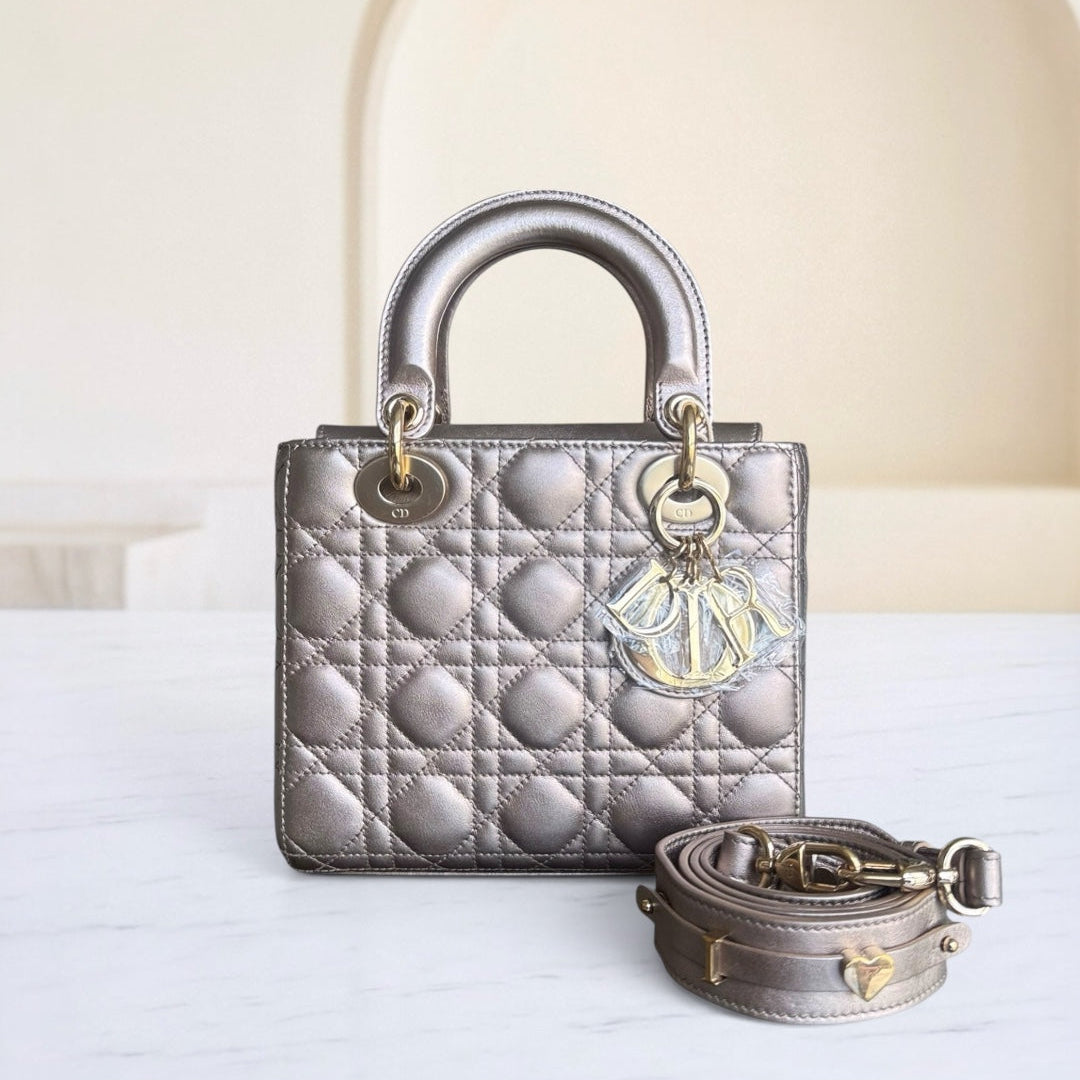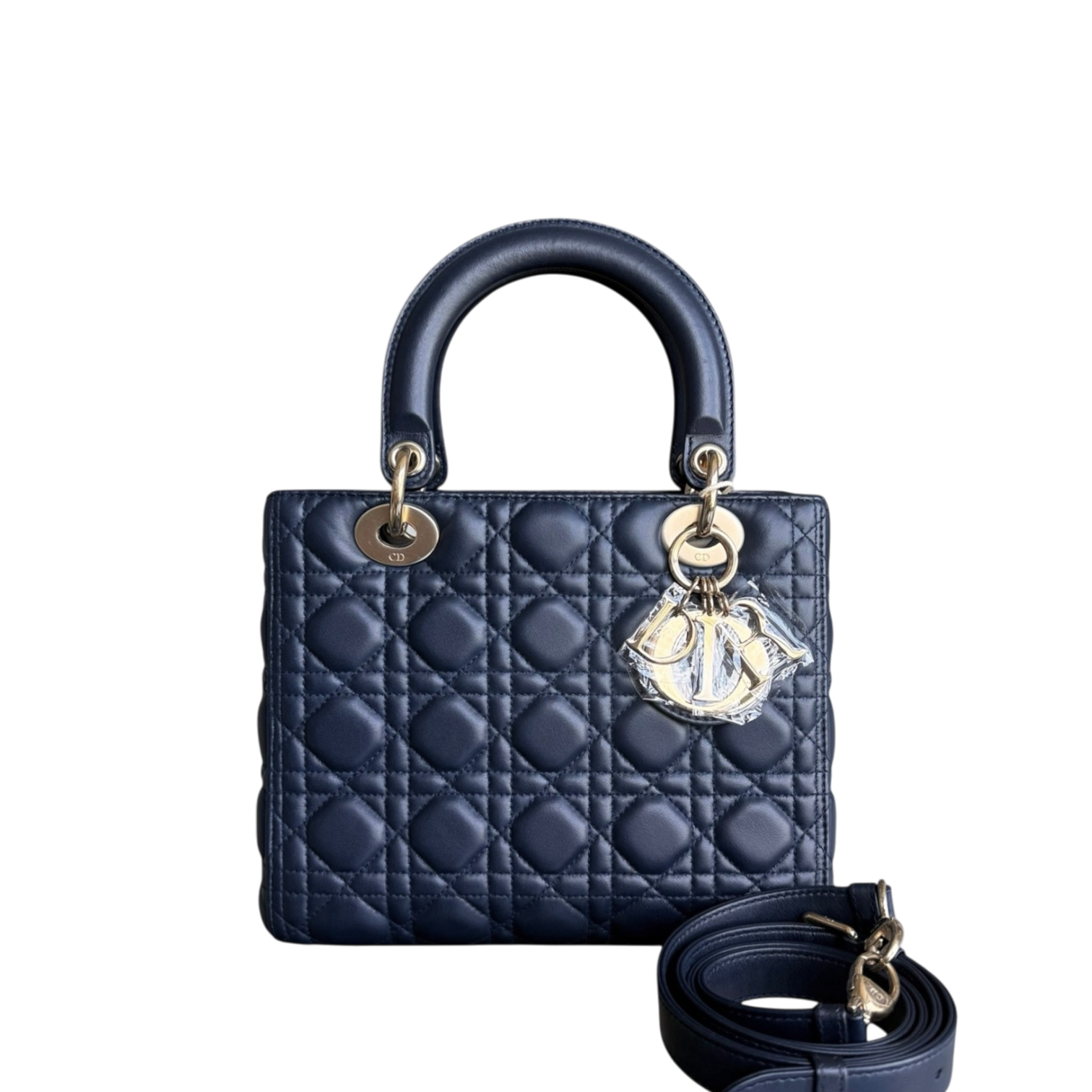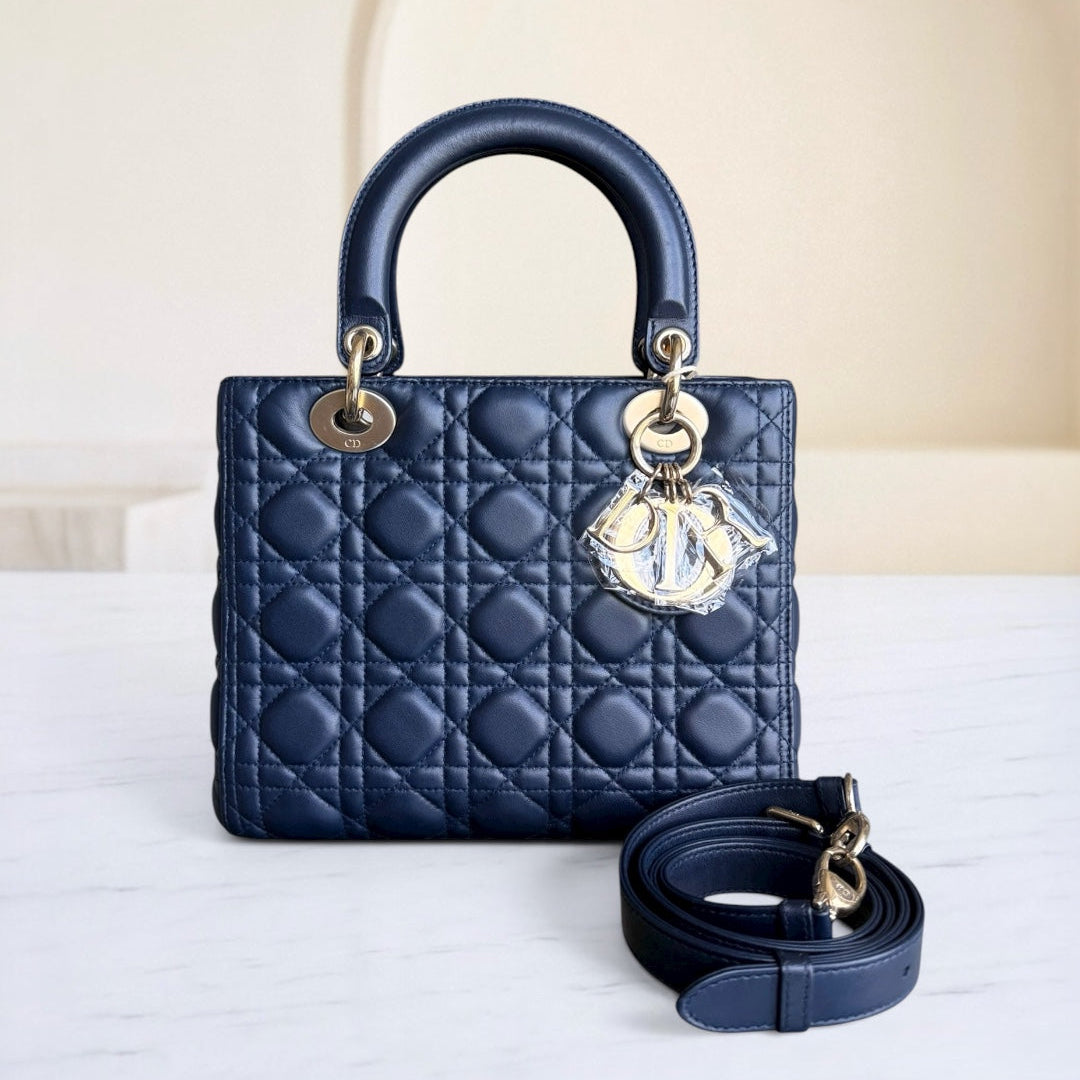




Is a Chanel Bag a Good Investment? Resale Data & ROI Analysis
The Chanel Medium classic flap was priced to $2,850 in 2010. Today, the same Bag is priced to $11,300--a 296% growth that exceeds the rise of the S&P 500, gold, and U.S. real estate in the period. But does that retail price growth really translate into returns for buyers? Is a chanel bag a good investment, or is it simply an expensive buy where bag costs just happen to hold? We pulled resale data from Rebag, Knight Frank, and Baghunter to see whether the numbers support the story.
- Why Chanel Bags Keep Going Up in Price
- Chanel Bag Resale Value: What the Numbers Say
- Chanel vs Hermès vs Louis Vuitton: Which Brand Holds Value Best?
- The 5 Best Chanel Bags to Invest In
- Chanel Bags vs Stocks, Gold, and Real Estate
- Risks and Downsides of Investing in Chanel Bags
- FAQ: Chanel Bag Investment Questions
Why Chanel Bags Keep Going Up in Price

Chanel increases the retail price of its handbags two to three times annually—most often in March and September with some upward adjustments in the middle of the year. From 2019 to 2024, chanel bag prices increased by 86 percent while U.S. general inflation rose 23.5 percent in the period, suggesting these price hikes had been roughly triple the rate of consumer price inflation in the period.
Here is how the retail price of the Medium classic flap has changed since 2008:
| Year | Retail Price (USD) | % Change from Prior |
|---|---|---|
| 2010 | $2,850 | — |
| 2012 | $4,400 | +54% |
| 2015 | $4,900 | +11% |
| 2019 | $5,800 | +18% |
| 2020 | $6,500 | +12% |
| 2021 | $8,800 | +35% |
| 2023 | $10,200 | +16% |
| 2024 | $10,800 | +6% |
| 2025 | $11,300 | +5% |
Sources: Baghunter Chanel Bag Values Study, Sotheby's Luxury Price Boom Report
Why does the price of chanel keep climbing? The brand has openly attributed rising raw material costs and its efforts to preserve exclusivity and indefinitely hold prices on retails. By cutting its distribution (Chanel does not sell handbags online) and pushing prices to higher levels, it artificially restricts supply--thus supporting retail demand and secondary market prices for value over time. Interestingly Chanel has also...never reduced the retail price of the classic flap bag. It hasn't done so during the 2008 global recession or during the pandemic period. That uninterrupted upward movement is rare for any category in the luxury goods category.
We keep close tabs on these chanel bag price movements at Luxury Evermore--our pre-loved inventory prices adapt within days of a retail hike, because resale market values tend to move along with retail shifts in price.
Pro Tip: if you are looking at investing in a chanel, purchasing before each announced hike may lock in a cheaper price point. Chanel typically announces its hikes to boutique staff well in advance.
Chanel Bag Resale Value: What the Numbers Say

While retail price increases tell one side of the story, the other side--and the one that really counts for investing--is how much buyers will actually pay you for your chanel bag on the resale. Based on the Rebag 2024 Annual Clair Report, chanel handbags are able to hold 92% of their current retail price when sold on the secondary market. That was enough to propel Chanel into what Rebag calls a "unicorn" category--hot brands with retention rates greater than 85%.
Yet that 92% average hides significant variation by Bag category. Not all chanel handbag have proven to be equally good investments:
| Model | Resale Retention | Resale Rating |
|---|---|---|
| Classic Flap (Black Caviar, GHW) | 80–90% | Excellent |
| 2.55 Reissue | 75–90% | Excellent |
| Boy Bag (Black Caviar) | 65–75% | Good |
| Wallet on Chain | 60–75% | Good |
| Chanel 19 | 55–70% | Moderate |
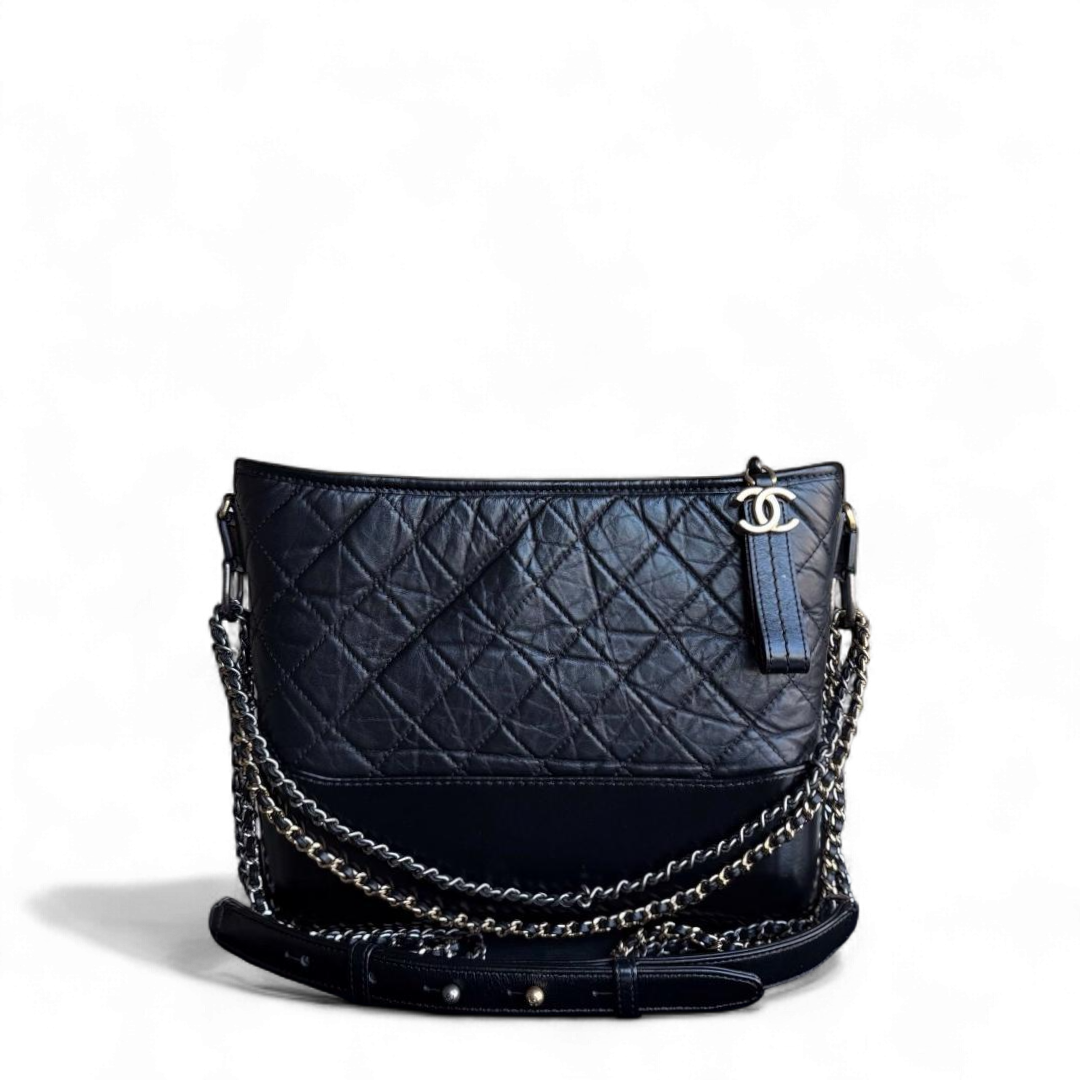
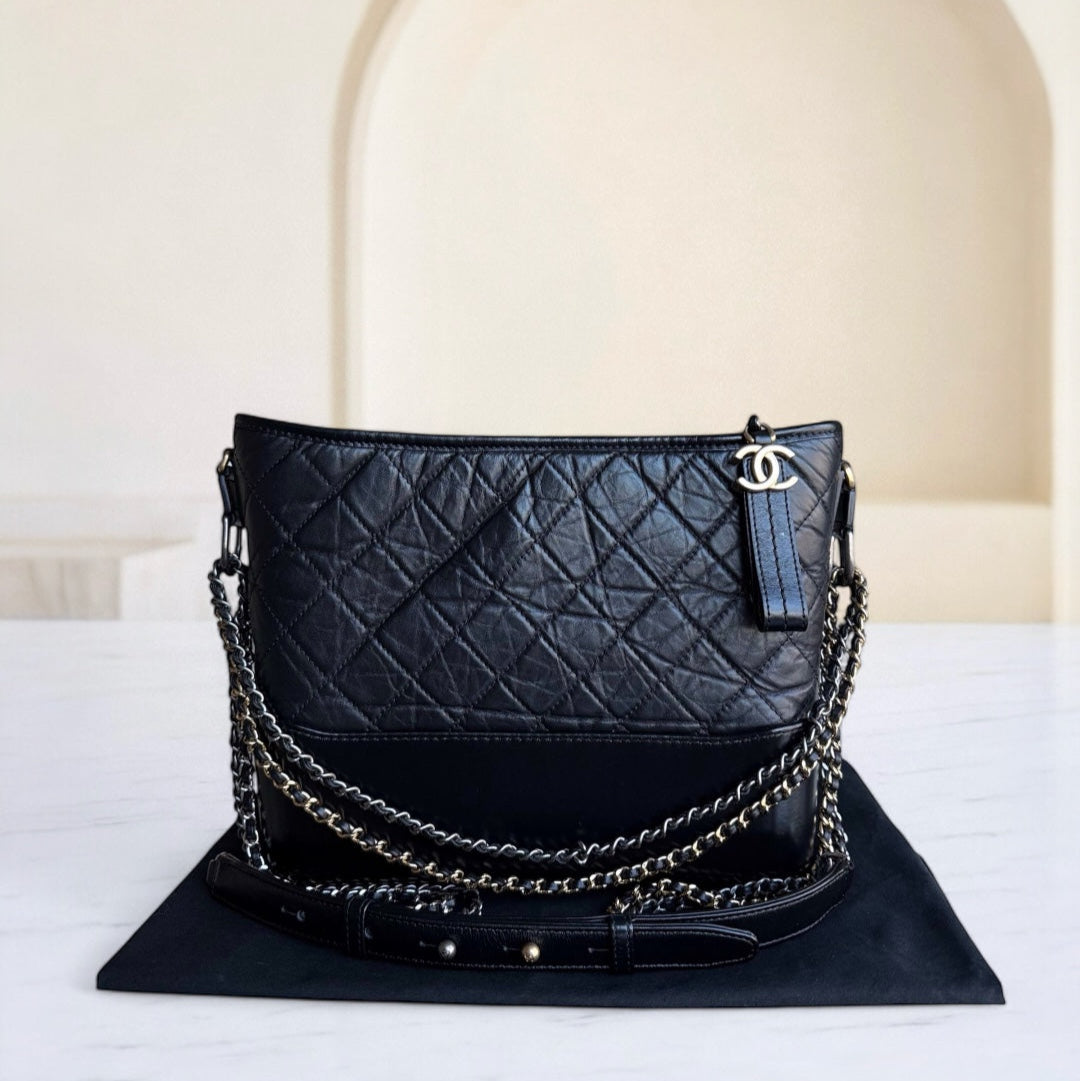
| Gabrielle | 50–65% | Moderate |
| Chanel 22 | 45–60% | Below Average |
Resale ranges compiled from Fashionphile, Rebag Clair Report, and Luxury Evermore transaction data.
Many first-time buyers assume all chanel bags appreciate the same way. That one is a very common mistake we see. A Chanel 22 or Gabrielle could be worth 30-40% less on the preloved market in one to two years, yet a classic flap bag in black caviar leather may resell for 90% or more of its present retail price. The key is demand persistence: timeless, well-established silhouettes retain value. Trendy seasonal styles don’t.
Condition makes a difference, too. Based on data from numerous listings across platforms such as Rebag, Fashionphile and Vestiaire Collective, a bag complete with original packaging the box, dust bag, receipt and authenticity card will command a premium of 10-15% over an identical bag minus accessories. Scratches on hardware, faded leather corners or missing serial stickers cause prices to tumble 20-40%.
One important note: resale retention figures are calculated based on the current retail price, not the amount you paid for the bag initially. If you spent 2019 buying an classic flap for $5,800 and now resale is $9,000,—which represents 80% of the current $11,300 retail—but you received a 55% markup on your initial purchase, congratulations, you made a good investment.
Chanel vs Hermès vs Louis Vuitton: Which Brand Holds Value Best?

Chanel is far from alone in the resale performance game. To put chanel bag resale value into perspective, here is a comparison of the three dominant luxury brands on the resale market for luxury handbags:
| Brand | Avg. Resale Retention | Best-Performing Model | Key Advantage |
|---|---|---|---|
| Hermès | 100%+ (138% per Rebag 2025) | Birkin 25/30 | Highest appreciation; routinely sells above retail |
| Chanel | 92% (Rebag 2024) | Medium Classic Flap | Best accessibility-to-retention ratio |
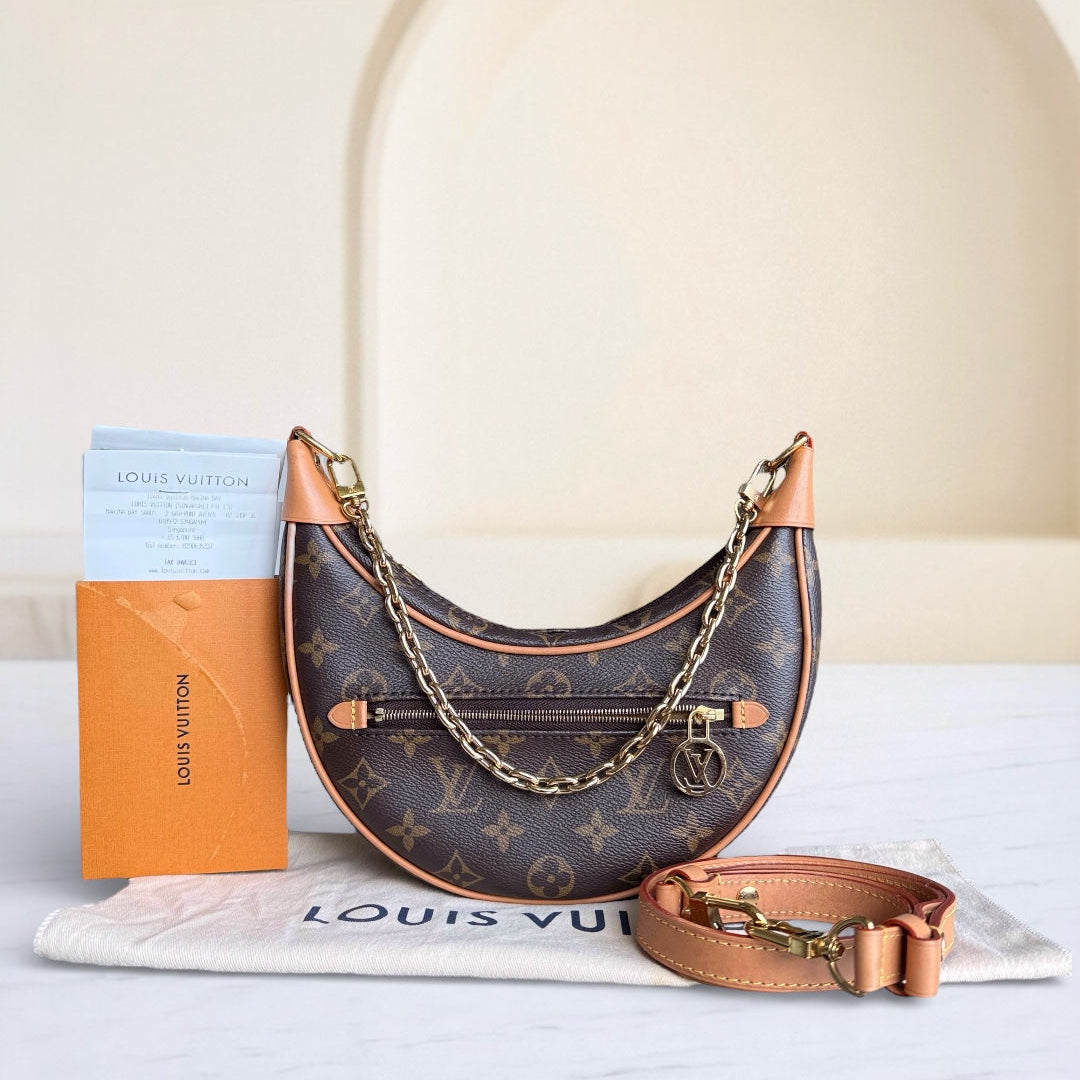
| Louis Vuitton | 88% (Rebag 2024) | Neverfull MM | Fastest sell-through; highest liquidity |
| Goyard | 132% (Rebag 2025) | Saint Louis GM | Emerging performer; no e-commerce creates scarcity |
Data from Rebag 2025 Clair Report and Rebag 2024 Clair Report.
Hermès has a significant investment storytelling advantage, of course. A Baghunter study revealed the Birkin delivered an average annual return of 14.2% over the period from 1980 to 2015, ahead of the S&P 500 (8.7%) and gold (1.9%). But Hermes bags require, navigating boutique waitlists, satisfying spending requirements and other limitations makes them non-starters for many buyers.
Chanel occupies the middle ground on the resale retention scale. While you can walk into any Chanel boutique and buy a classic flap without a prior shopping history (certain seasons/sizes/colors though, require waitlisting), louis vuitton offers the strongest resale liquidity: lower retention, but faster sale frequency and less seasonality.
Our formula at Luxury Evermore: pick Hermès for maximum appreciation potential. Chanel strikes a pretty good balance between retention and product availability. And louis vuitton will turn a quick profit if you must sell quickly. Among these three well-known bags, Chanel offers the most practical entry point for buyers who want their luxury handbags to hold long-term value without playing the Hermes allocation game.
The 5 Best Chanel Bags to Invest In

These five chanel flap bags and popular styles retain the best percentage of retail price based on resale data we compile from thousands of secondhand listings. Consider starting your journey with one of these if you are a first-time buyer looking to invest in investing in a chanel bag.
-
Classic Flap — Medium, Black Caviar, Gold Hardware
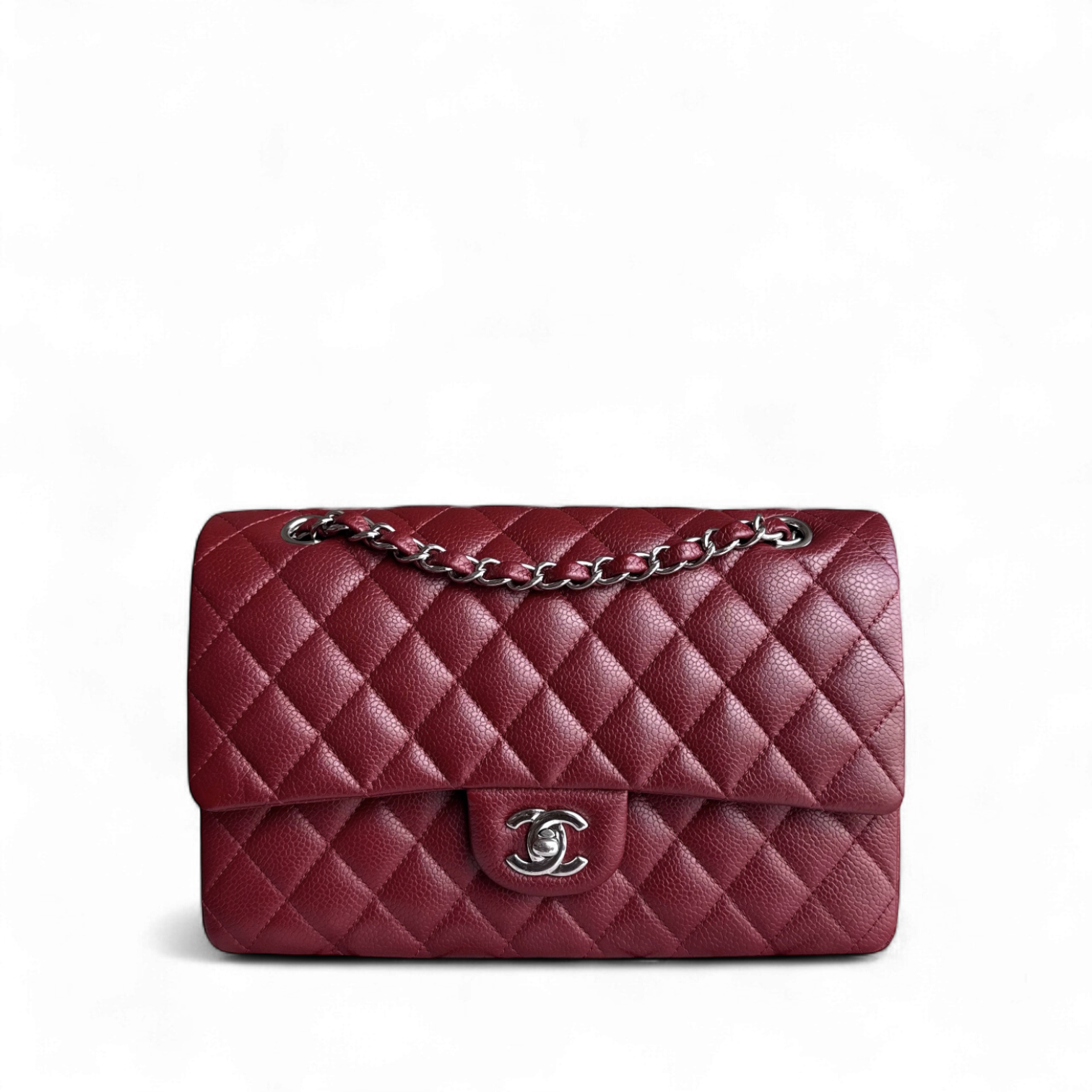
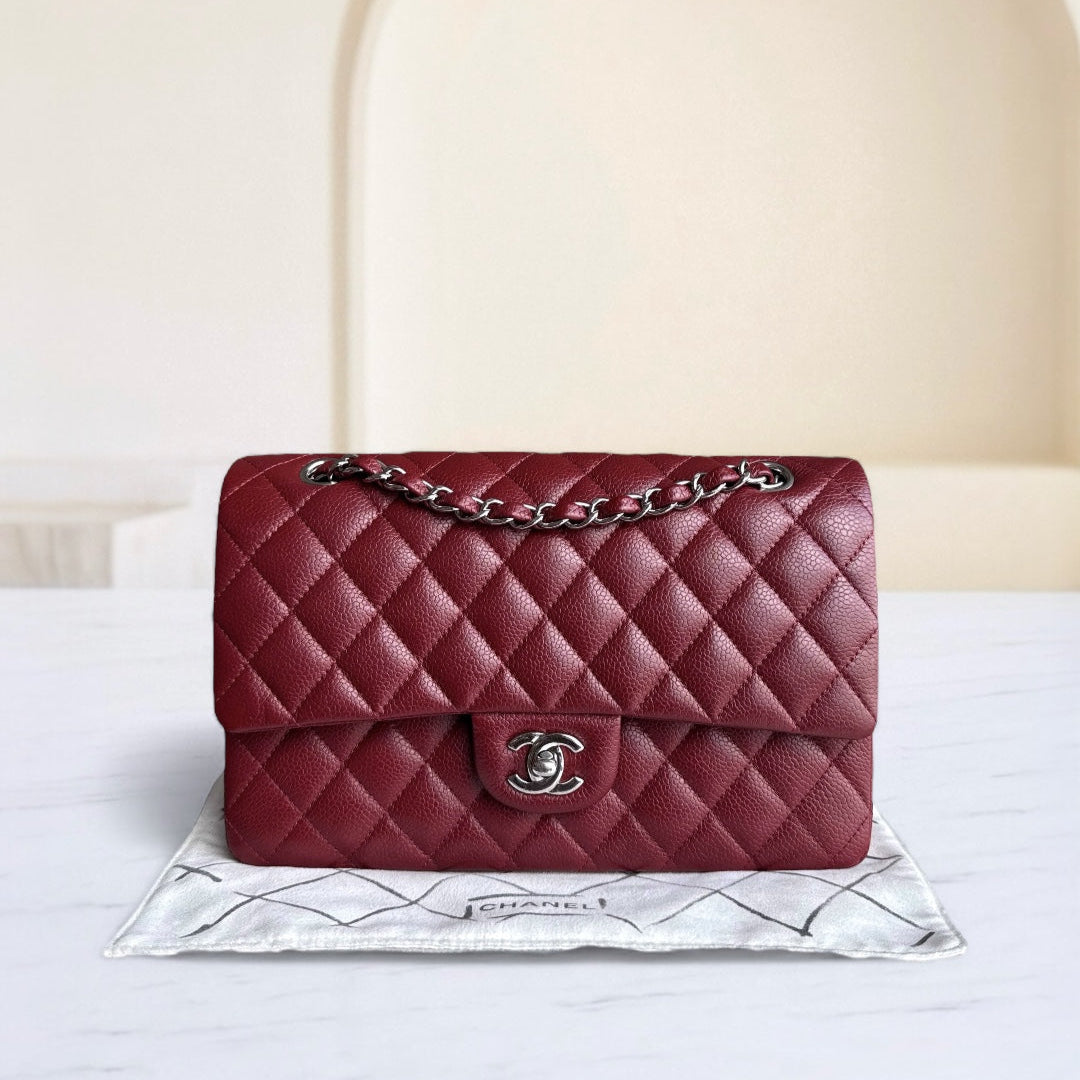
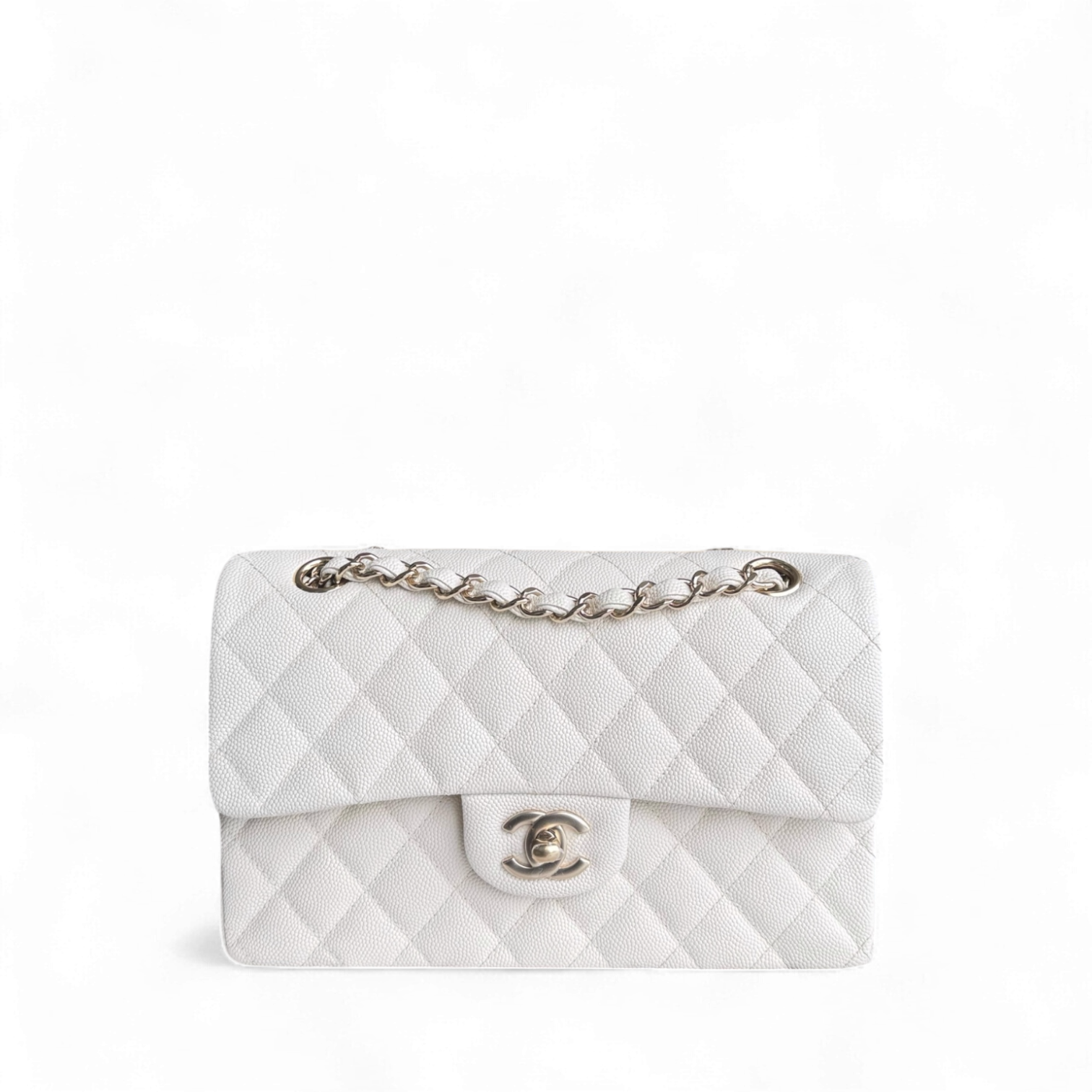
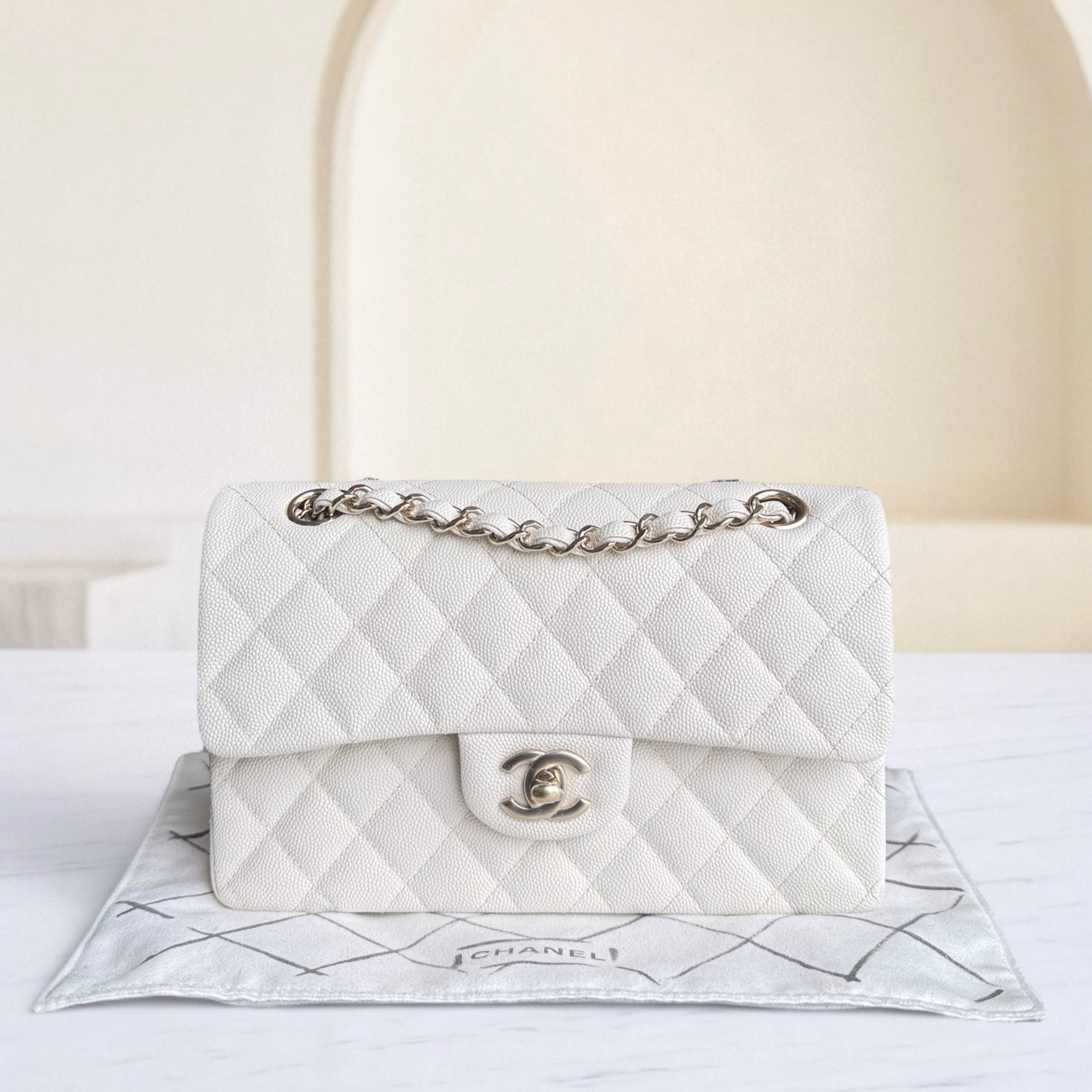
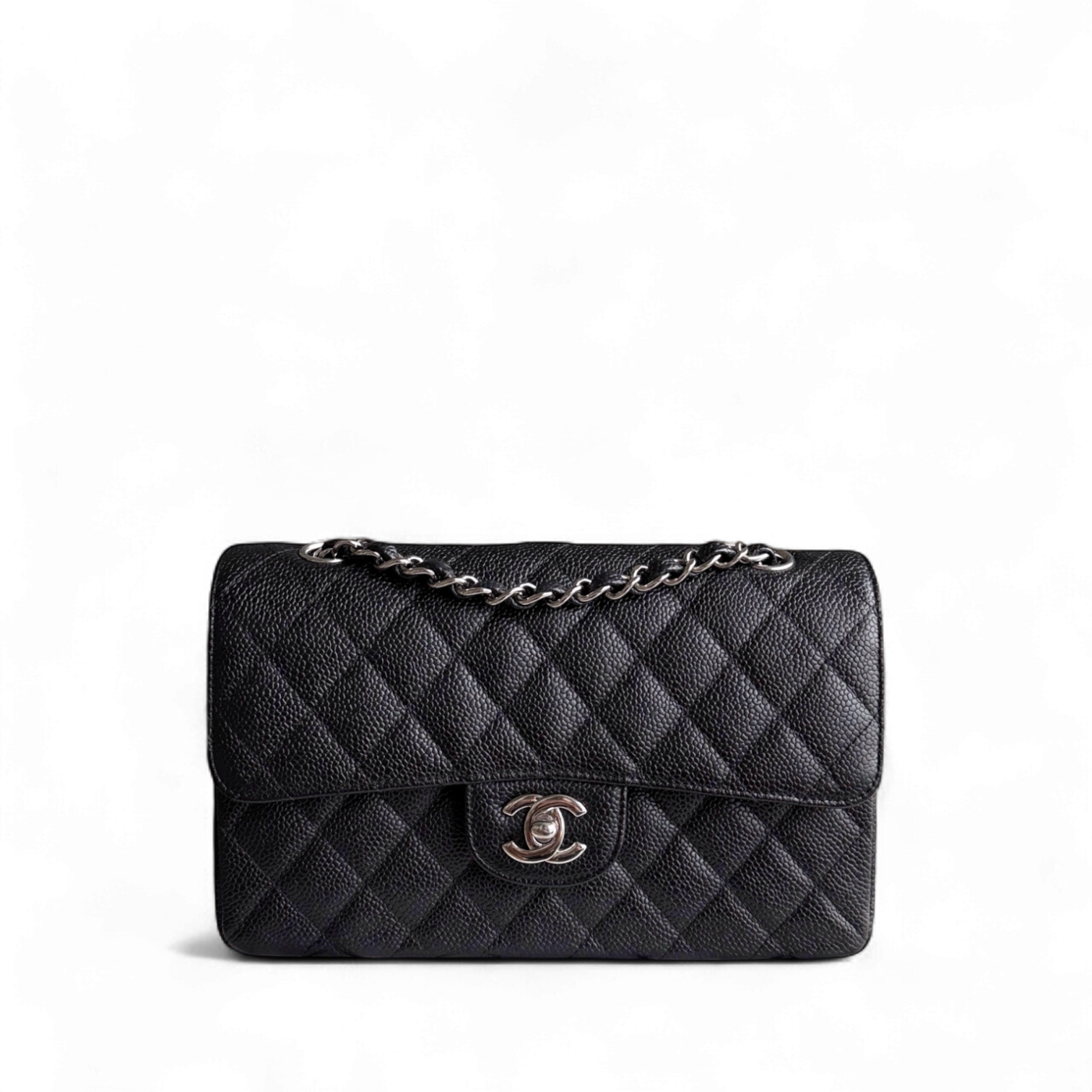
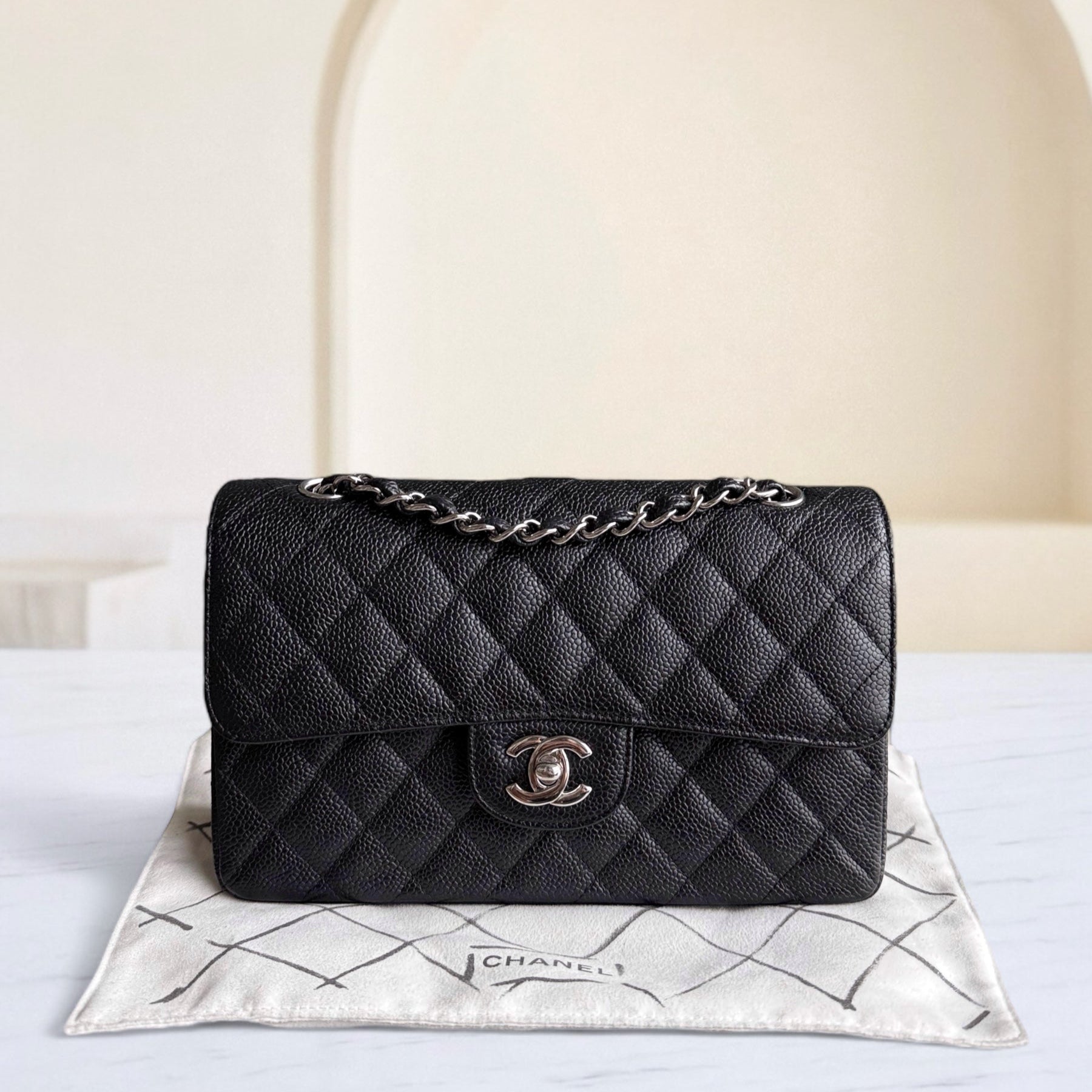
The undisputed leader. This classic flap bag appreciated 71.92% over five years (2010-2015) per Baghunter, resale retention never falling below 80%. The chanel classic flap bag (black caviar, mademoiselle turn-lock) is the hottest sought-after style available on the resale secondary market. If you only buy one chanel bag as one of your investment pieces, this is the one. -
2.55 Reissue — Black, Aged Calfskin
The original Coco Chanel design that was re-launched by Karl Lagerfeld in 2005. The Chanel 2.55 maintained 75-90% of retail value over the same period. Its fashion history, craftsmanship, and heritage give it enduring value among collectors. The reissue with the rectangular mademoiselle lock (not the CC turn-lock) then buy the Chanel 2.55 as it will be preferred on the resale. -
Boy Bag — Medium, Black Caviar
Karl Lagerfeld's modern classic, launched in 2011. The Chanel Boy bag retained 65-75% of initial retail value, with the medium flap bag in black caviar being most popular. Its aesthetics appeal to a younger customer than the classic Chanel styles without alienating existing Chanel customers. The double flap interior and chunky chain strap give it every bit as much attitude as it has model cred. -
Wallet on Chain (WOC) — Black Caviar
The most budget-friendly Chanel option, with a current retail price selling well below the classic flap. The Chanel Wallet on Chain has high demand on platforms like Fashionphile and The RealReal as it is often the first luxury chanel handbag purchased by female luxury consumers who are not ready to spend five figures for a higher-end Bag. -
Chanel 19 — Medium/Large, Black
Inspired by the year it was first revealed (2019) and one of the final Karl Lagerfeld-designed bags, the Chanel 19 has gained popularity among collectors. Though referencing the classic flap via its quilted body, oversized CC clasp, and chain strap, it remains a distinct visual angle. Retention has been steadily increasing as limited-edition colorways become sought-after styles on the secondary market.
Pro Tip: Factors that boost your resale value: bestselling colorways are black, red, and tan. Caviar leather holds up better than lambskin. Gold HW outsells silver HW. Medium sizes are the most popular. Always retain the original box, dust bag, receipt, and authenticity card to maximize resale value.
Chanel Bags vs Stocks, Gold, and Real Estate

So is a chanel bag investment really worth considering alongside traditional financial investments? Here is what the data shows when comparing average annual returns across asset classes:
| Asset | Average Annual Return | Time Period | Source |
|---|---|---|---|
| Chanel Classic Flap | ~11% | 2010–2015 | Baghunter |
| Hermès Birkin | 14.2% | 1980–2015 | Baghunter |
| S&P 500 | 8.7% | 1980–2015 | Baghunter |
| U.S. Real Estate | 4.3% | Long-term avg. | FHFA |
| Gold | 1.9% | 1980–2015 | Baghunter |
| KFLII Handbag Index | ~6.4% (85.5% cumulative) | 2015–2024 | Knight Frank |
Sources: Baghunter, Knight Frank Wealth Report 2025
The Knight Frank Wealth Report 2025 identified luxury handbags were positioned as the best way to invest your money in collectible assets, with the KFLII recording 85.5% overall growth over the past ten years. Knight Frank estimates that if you had invested $1M into tracking the KFLII in 2005 it would have grown to $5.4M by the end of 2024, slightly surpassing the same $1 M placed in the S&P 500, which would have grown to $5M.
That headline figure, however, warrants further analysis. The most common blunder made by beginning bag investors is to quote raw appreciation figures without taking into consideration the associated costs that reduce real projections:
- Platform commissions: Rebag, The RealReal, and Fashionphile charge 15–30% of the sale price
- Authentication fees: $25–75 per bag for third-party verification
- Storage and insurance: Climate-controlled storage and coverage add annual costs
- No dividends or yield: Unlike stocks or rental real estate, a handbag sitting in your closet generates zero income
More recently, the market has cooled. Knight Frank's KFLII fell 3.3% in Q4 2024 — only the third quarterly decline in the index's history. Handbags still led all luxury collectible categories at +2.8% for 2024, but that was well below equity market returns for the same year.
Financial advisors generally recommend allocating no more than 5–10% of an investment portfolio to alternative assets like luxury goods, treating them as investment portfolio diversifiers rather than primary vehicles for building wealth. The average annual return on handbags may look impressive, but it does not account for the hidden costs of buying, holding, and selling.
Risks and Downsides of Investing in Chanel Bags

No honest analysis of chanel bag investment potential should skip the downsides. Here are the risks that most "investment bag" articles tend to overlook:
- Illiquidity: You cannot sell a handbag in seconds the way you sell a stock. Finding a buyer willing to pay near-market value can take days or weeks through consignment, and months through private sale.
- Condition sensitivity: A single deep scratch on hardware, a stain on lambskin, or a broken zipper can reduce your chanel handbag's value by 20–40%. Unlike financial assets, physical luxury items degrade with use.
- Transaction fees: Resale platforms take 15–30% commission. Add authentication costs ($25–75) and shipping insurance, and your net proceeds can be substantially less than the listed resale price.
- Market cooling signals: The Knight Frank KFLII declined 3.3% in Q4 2024. While handbags outperformed other collectibles, the luxury resale market is showing signs of normalization after pandemic-era spikes.
- Zero income generation: Stocks pay dividends. Real estate generates rent. A chanel bag generates no cash flow while you hold it. The cost per wear calculation works for fashion — but not for financial returns.
- Counterfeit pressure: Increasingly sophisticated counterfeits erode buyer confidence on the secondary market, putting downward pressure on prices for sellers without bulletproof authentication documentation.
- Pricing ceiling risk: At $11,300+ for a medium flap bag, Chanel is testing the boundaries of demand elasticity. Price increases that were previously absorbed by eager buyers may begin pushing more shoppers toward the preloved market — which could moderate future appreciation rates.
Important: The biggest risk is not depreciation — it is illiquidity. A chanel bag is not a liquid asset. If you need cash quickly, you will likely sell at a discount to market value. Treat Chanel as a long-hold alternative asset, not a substitute for emergency savings.
FAQ: Chanel Bag Investment Questions
Q: Do Chanel handbags keep their value?
Yes. According to the Rebag 2024 Clair Report, chanel handbags retain an average of 92% of their current retail price on the resale market. However, this number varies significantly by model. The classic flap and 2.55 Reissue perform best, while newer styles like the Chanel 22 and Gabrielle retain less. Black caviar leather with gold hardware is the safest combination for long-term value. Classic chanel styles in this configuration hold their value best and retain the highest resale on the buy and sell market.
Q: What is the best Chanel bag to invest in?
The Medium classic flap which features black caviar leather, with gold hardware. It has the best resale retention (80-90% of current retail price), the most liquid secondary market, and a 15 year track record of consistent appreciation. If you are searching to buy a chanel handbag for investment purposes, this is the model that collectors and fashion enthusiasts regard as the benchmark.
Q: Is the Chanel Classic Flap still worth buying at $11,300?
If you plan to hold for five or more years, the economics of the historical trends suggests further appreciation— prices rising on the classic flap has been an unbroken trend since the bag's launch. Nonetheless, at today's prices, annual total returns might ease from 10-15% (earned between 2015 and 2022) to a more modest 5-8%. The bag is still a good investment relative to other luxury items, but the window for outsized returns may be narrowing.
Q: Is a vintage Chanel bag a good investment?
Vintage chanel bags — typically defined as pieces produced before 2000 — can appreciate significantly, particularly rare colorways and limited-edition releases from the Karl Lagerfeld era (1983–2019). A vintage chanel bag with intact hardware, clean leather, and a classic silhouette (classic flap, 2.55, or the Grand Shopping Tote) can command premium prices in the world of chanel collecting. However, authentication becomes more critical with vintage pieces, and condition issues are more common. Buying from authenticated sources reduces risk.
Q: Which luxury bag is the best investment overall?
The Hermès Birkin leads with a 14.2% average annual return over 35 years, according to Baghunter's research study. The chanel classic flap is second at roughly 11% annually. For collectors and fashion enthusiasts seeking accessibility without navigating Hermès boutique waitlists and purchase history requirements, Chanel offers the best entry point among iconic bags in the world of chanel. Louis Vuitton ranks third for retention but first for liquidity — if speed of resale matters more than maximum return, LV is the pragmatic choice.
About This Analysis
This resale data analysis is based on publicly available reports from Rebag, Knight Frank, Baghunter and Sotheby's. At Luxury Evermore, we are experts in authenticated second hand luxury handbags— our prices are derived from up to date secondary market data across thousands of chanel pieces and iconic chanel styles. The investment return figures presented here are historical and past performance is not a reliable indicator of future performance. Historical appreciation in luxury goods does not ensure future performance.
Ready to start your Chanel investment? Browse Authenticated Pre-Owned Chanel Bags at Luxury Evermore →
References & Sources
- The Luxury Price Boom: Chanel Bag Prices Continue to Rise — Sotheby's (2025)
- 2024 Annual Clair Report: Luxury Resale Index — Rebag
- Chanel Bag Values Research Study — Baghunter
- Wealth Report 2025: Knight Frank Luxury Investment Index — Knight Frank
- A First-Time Investor's Guide to Chanel — Fashionphile
- Chanel Classic Flap vs. U.S. Inflation Analysis — RetailBoss
- 2025 Clair Report: Luxury Appraisal Index — Rebag / PR Newswire
- 2024 Luxury Resale Report — The RealReal