



Article: What to Do When a Luxury Bag Authentication Result Is Inconclusive
What to Do When a Luxury Bag Authentication Result Is Inconclusive
An inconclusive opinion indicates that the service is unable to form a complete judgement with the information it has. It doesn’t mean that your bag is authentic. It also doesn’t mean that your bag is fake. Contact the service to find out what’s stopping them from forming a judgement, and keep your bag and report for now. Also, consider your deadlines for filing a dispute when thinking about next steps.
The uncertainty about the bag leaves you with several possible next steps and a need for more information. A luxury bag with a missing photograph should be handled differently from a bag with a worn-away stamp. How a seller handles returns or an authenticity guarantee shouldn't be confused with how a card issuer handles a chargeback dispute. The information below will help you figure out your next steps before paying for another opinion.
Start here: save the exact result; ask for the unresolved detail; record any return or dispute deadline; then choose a review that can add useful evidence. Next, ask what information the service needs to assess the bag, and record any deadlines. Last, choose a service that can examine useful additional information. You should reach out to the seller, platform or your payment provider to check the applicable process before its deadline.
What an inconclusive result actually means

Inconclusive reports indicate a constraint in the authentication process. It could be an issue with the photos submitted, the condition of the bag, or how the service assesses that bag model. To determine what the service means by the report, you should consider the service provider's terminology and definition.
Providers don't all use the same labels. LegitApp's published standards include an inconclusive category. Entrupy's FAQ describes a process that can verify an item or return an “unidentified” result. Preserve that wording when contacting a reseller. Replacing it with “counterfeit” changes what the evidence says.
Ask if the service is requesting more information, or if it has issued a final opinion and closed the case. The two situations are different. Determining the status of the case doesn't help to determine the likelihood of the item being authentic.
Keep the following questions separate: is the main bag authenticated, does its condition match the listing, and are its accessories original. A certificate may be narrower than you expect. For example, LegitApp's handbag opinion is photo-based and doesn't provide condition grading or assess accessory completeness. Check how the report defines the boundaries of your appraisal. For example, stating that the bag “looks legit” doesn't mean it has undergone verification within the report's stated scope.
Common mistake: Often, when the service has come to an inconclusive result, people assume that's a tacit approval to state the item is authentic. In these cases, don't change the service’s terminology to “authentic” or “not a replica.” Keep the evidence and explain the service’s conclusion as it was reported.
Find the reason before paying for another check

The best question to ask is, "What was the missing or conflicting evidence, and is there another way to provide it for review?" A good answer may help you to understand if there are other means to alter the conclusion.
LegitApp identifies several possible causes, including inadequate images, severe wear, extensive customization and unresolved disagreement. Pro Authenticators also discusses missing identifiers and altered components. These are service explanations, not a universal checklist for deciding whether a luxury item is real.
| What the report identifies | Useful next action | Limit to remember |
|---|---|---|
| Blurred close-up | Retake the requested area in focus. | A sharper image may still be inconclusive. |
| Strong glare | Ask for the preferred lighting and angle. | Do not edit the marking into clarity. |
| Missing interior view | Photograph the requested accessible area. | Do not pull apart a lining. |
| Worn stamp or engraving | Show its current condition and ask about alternatives. | A photograph cannot restore missing evidence. |
| Replaced lining | Supply any repair documentation. | Original identifiers may be gone. |
| Repainted leather | Disclose the treatment and available history. | Original surface details may be obscured. |
| Mixed or replaced components | Ask which parts fall within the opinion. | Main-body and accessory conclusions may differ. |
| Model outside service coverage | Find a specialist who accepts that model and era. | Brand coverage alone is insufficient. |
| Conflicting expert findings | Request clarification of the unresolved point. | Another vote may not settle the disagreement. |
It's possible that glare on a serial number is the only issue. If that's the case, capturing a better image is a useful next step, although it may not resolve the opinion. If the restoration removed the original markings, taking multiple pictures of the new lining adds little value. You may avoid purchasing another inconclusive handbag opinion based on the same missing evidence.
While investigating, avoid cleaning faint logos, paint touch-ups and zipper replacements, as these may alter the evidence in question. It's good practice to disclose what you’ve had repaired, as even a skilled craftsman may alter the evidence. If a slight inconsistency is in question, ask if the reviewer can distinguish a production quirk from an alteration.
Build a better evidence packet

The evidence provided should link the opinion given to a single item and its purchase transaction. The evidence should also include current pictures of the item and any available pictures from the time of purchase. Additional evidence may be requested to assist in the review process, but efforts should be made to retain evidence used in the case should a return or payment be disputed.
The online shopping guide of the FTC suggests keeping records of your transactions. The Evidence-and-Deadline Card below applies the FTC guide's record-keeping advice to organize evidence for an inconclusive handbag review. This is a guide on how to organize evidence for a dispute, not proof of authenticity or confirmation that a dispute has been opened.
| Record | What to save or confirm |
|---|---|
| Item identity | Listing URL, order number, model and distinguishing condition details. |
| Exact result | Provider, report reference, date, wording and stated scope. |
| Unresolved feature | The specific image, component or inconsistency the reviewer identifies. |
| Photographs | Original files, overall views and requested close-ups of the same bag. |
| Provenance | Available receipt, previous reports and documented repair history. |
| Seller's terms | The policy and listing description associated with your purchase. |
| Relevant deadlines | Trigger date, cutoff, time zone and whether notice or receipt of a return is required. |
| Required notice | Correct recipient, submission method and any required form or documents. |
| Payment position | Payment method, statement date and whether the balance has been paid. |
| Confirmation | Case reference, submitted message and written response about the next step. |
Following the service's guidelines, photos of the actual bag should include different views and close-ups. For context, provide photos of the front, back, base, and interior of the bag and then, as requested, provide close-up photos of details such as a stitch line, engraved hardware, and leather grain. A blind stamp or date code may be included if relevant to the model and requested by the service. Photograph only what's requested. Don't force open pockets or damage the lining to take photos of the bag's contents.
Don't alter photographs. Providing unfiltered close-ups of a requested detail helps the reviewer assess the detail as it currently appears. If a camera doesn't allow you to photograph a detail at the appropriate magnification, contact the reviewer to let them know of the issue. Don't provide purchase records for an item you purchased to a reviewer through a channel where your information isn't secured.
While documentation can be used to corroborate provenance, in and of itself, a receipt won't resolve a dispute regarding the handbag in question. Our Chanel serial number resource is designed to assist customers in processing collected information; it isn't a professional authentication opinion on the item in question.
Choose a useful second opinion

Additional information may be found in other reports. A consumer may need to obtain the services of a specialist for further evaluation of the item. Prior to retaining the service and paying for the report, determine if the entity receiving the report will accept the findings.
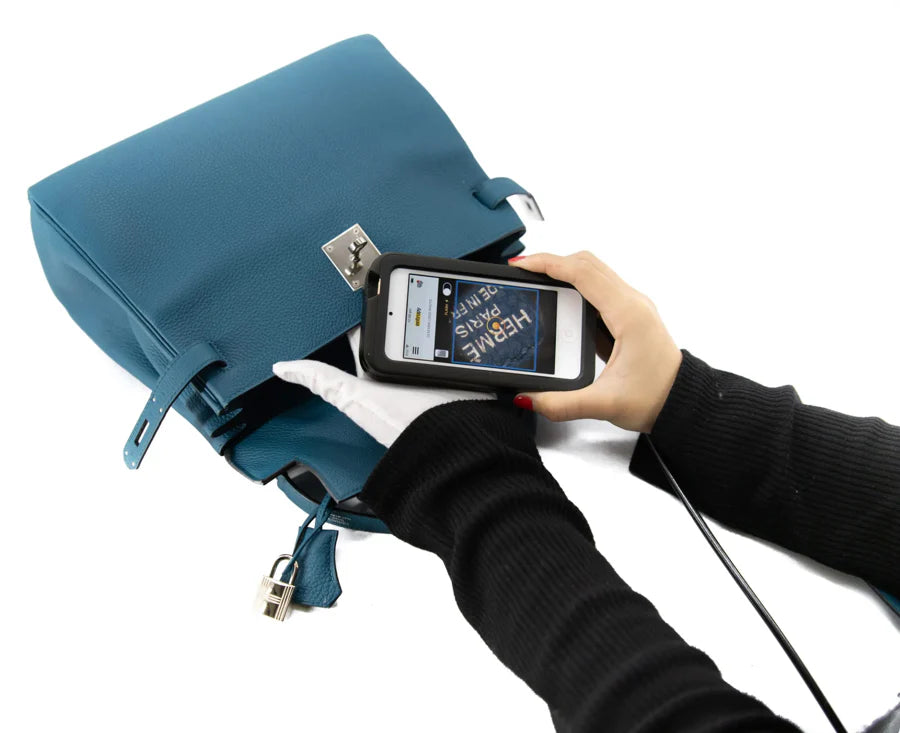
Some third-party authentication services provide remote assessment of consumer photographs of high-end handbags. Entrupy describes artificial intelligence analysis of image capture through its app, and directs consumers to a verified business to access the service; its method has limits. The Entrupy bag authentication service requires its capture process and doesn't authenticate from ordinary consumer photos emailed to it.
In-person authentication through physical inspection may provide information to address a particular limitation. It's prudent to ask the provider if the methodology addresses limitations pertinent to this brand and era, and if other unresolved results are possible.
Fashionphile master authenticator Alison Young says close inspection requires attention “to every component”.
That same report also identifies challenges to teaching AI to recognize rare examples. This suggests that experience should be assessed on a case-by-case basis, including when reviewing a human or a digital authentication. In cases involving Hermès, for example, ask whether the reviewer can assess the construction and era of the purse in question. An authentication opinion should identify specific details. A request for luxury authentication of a Dior or Chanel purse should identify the specific model being assessed, such as a Dior Saddle.
There are many situations in which an expert's authentication opinion may draw on examination, including feeling the weight and inspecting details of the bag. An examination performed by the expert may involve a microscope. Ask the expert to explain the purpose of any proposed microscopic examination. An explanation shouldn't be construed to indicate that the expert has issued a legitimate authentication opinion on the item in question. Many factors, including a handbag price that looks too good to be true, clean edges or how the leather smells, may make a purse appear to be a good purchase; however, those impressions aren't a basis for an authentication opinion.
Prior to booking an authentication, assess whether the total fee is disclosed and whether resubmission is included if the result remains open. Also, assess whether the authentication opinion provides what the client requires for the intended claim, resale process or resale value assessment. If the authentication reports that a purported good is likely a real good, keep this opinion alongside any conflicting reports for the intended recipient. Real authentication reports should be assessed for suitability to the intended process.
Protect your return and dispute options

Separately from assessing legitimacy, consider the transaction's terms, including when a party may be required to give notice or return the good. Deadlines may also include the timing of your notice to a marketplace, consignment store, auction house or payment provider. Waiting for the results of an authentication review shouldn't be assumed to pause a return or dispute deadline.
Separate the fee from the bag price. LegitApp states that tokens used for an inconclusive authentication return to the account wallet. That concerns its service charge. It doesn't require the seller of your second-hand bag to refund the purchase, and another authentication service may have different terms.
Marketplace rules also depend on the stage of the transaction. eBay's Authenticity Guarantee guidance describes refunds when an item can't be verified during its pre-delivery inspection, alongside scope exceptions for modified items. Its post-delivery return conditions are separate. A later independent opinion shouldn't be assumed to produce the same outcome.
Mandatory consumer rights can provide another route. For example, Your Europe explains a 14-day withdrawal period for eligible distance purchases, generally measured from goods delivery. Private-seller purchases and specified exceptions are excluded. This example doesn't establish that your particular cross-border order qualifies; check the governing rules or seek local consumer advice before relying on it.
Payment-provider procedures need their own attention. The US Consumer Financial Protection Bureau distinguishes different credit-card remedies. Its billing-dispute guidance describes written notice within 60 calendar days after the charge appeared on the statement, while noting that defective-goods issues may follow a different process. An inconclusive opinion isn't automatically a billing error. Ask your issuer which route, deadline and notice method apply.
The message should summarize the report's exact outcome, identify the ambiguous element, and provide a request for action. Keep the report and evidence that you submitted the required notice. If the seller provides additional time, note the terms in writing and confirm the separate restrictions (i.e. deadlines from the platform or issuer) before extending your review. Follow the authorized return policy, keeping the item, its tags, accessories and packaging while the issue is reviewed.
What if the result stays unresolved?

When the information available isn't sufficient to confirm authenticity, decide which uncertainty you're willing to accept. Before you agree to the purchase, you have the choice not to proceed. After the purchase, you may have the right to a remedy under the rules available to you. If you choose to retain the item, maintain a record of what you don't know.
Set an appropriate review limit. What additional evidence is required and what would it answer? Although a provider may be able to conduct a brand-specific analysis, ask it to explain the limits of that analysis before the review. Continuously paying for the same review is unlikely to provide peace of mind when it faces the same missing evidence.
Keep condition and authenticity concerns distinct. An undisclosed replaced lining may be relevant to whether a listing was accurate even if nobody has concluded that the whole bag is counterfeit. Describe the observed difference precisely. The FTC's complaint guidance recommends gathering documents and stating the resolution sought.
Avoid claiming that an unresolved item is authenticated if you intend to list it for resale. Before listing, check the intended resale platforms' rules and maintain the complete history and evidence of your communication. “As is” doesn't translate to authenticity, and a seller's applicable obligations to a buyer still need to be considered. Before selling, check resale’s terms on counterfeit goods and on unresolved authentication.
What to ask Luxury Evermore about your purchase

To clarify the requirements for a refund on a Luxury Evermore purchase, contact our team directly and provide your complete report and order details. Ask our team to specify the documentation and process required to support your request.
Cancellations or refunds aren't allowed under our Delivery and Returns Policy unless non-authenticity is proven by the brand or by the reputable third party that the policy links to, Entrupy. An inconclusive opinion doesn't constitute such confirmation. It's a separate question whether mandatory consumer rights are applicable to the case at hand.
There's a listing for the Entrupy authentication service on Luxury Evermore. For your specific bag, enquire about the access required and the cost before booking. It isn't guaranteed that all uncertain results will be resolved. To arrange for an appointment, enquire via the showroom visit page.
When you evaluate pre-owned luxury brands and retailers, customer reviews can be useful to gauge retailer communication and service. They can't guarantee authenticity of an individual pre-loved bag. The useful next step is to ask for information pertaining to the bag in question and its assessment report.
Frequently asked questions
Q: Can I go to a Louis Vuitton store to authenticate my bag?
Inquire via the brand's official website whether Louis Vuitton provides a written opinion for a pre-owned item bought elsewhere before visiting a boutique. Keep in mind that different luxury brands may offer different services. A conversation or an agreement to a repair shouldn't be treated as a certificate. A seller may require a letter of authenticity for a pre-owned item, so confirm the document requirements before paying.
Q: How much should I pay for another authentication?
Request a current quote for the particular model, review method and document you're interested in. Compare the methods of review and the fees charged for reviewing the bag and providing the required documents. Identify and consider all costs such as shipping and insurance when making your comparison. There's no single prevailing price for all luxury houses and every authentication case. Prior to paying for a review, ask what additional evidence the reviewer will examine and what the fee would be if the outcome remains inconclusive.
Q: Can I verify the bag myself from its serial number?
A serial number is one of many pieces of information pertaining to a particular handbag, not a complete authentication opinion. The identifier's format, location and relationship to a claimed production date require examination in the correct brand and era context. If a code is legible, this doesn't answer or prove if the leather has been replaced or other hardware has been changed. It's prudent to photograph the identifiers rather than assume an online match is a proven answer.
Q: Can I sell it as authentic if one service passed it and another was inconclusive?
Don't conceal the conflicting reports from a potential buyer or intended marketplace. Ask the intended marketplace how it handles these reports and what evidence it requires. A positive opinion doesn't ensure the bag will be accepted by the marketplace.
Q: What should I send the seller today?
Send the order reference, the complete report, and a short factual explanation outlining your concerns and what you expect to happen. For example, you could write, “The report is marked inconclusive because the interior marking couldn't be assessed. Please advise regarding the review or return process for this order, the documents required and any time limit.” Concerns relating to fake luxury goods don't justify describing the subject goods as fake without supporting evidence. If you also contact the card issuer, request that it identify the dispute process and the notice required from you. Make certain that each contact and the relevant process has a separate record and reference number.
Ask which relevant evidence is required to support your claim and provide any listing discrepancy for evaluation. Keep submission confirmation with your Evidence-and-Deadline Card. It isn't an agreement, release, or waiver of any of your rights.
How this guide handles an unresolved opinion
Luxury Evermore sells pre-owned luxury goods and lists authentication services, so we have a commercial interest in the subject. This guide compares published service rules and suggests practical ways to record inconclusive results; we haven't seen your item. The Evidence-and-Deadline Card helps you record evidence and questions; it doesn't determine authenticity or your legal rights.
References & Sources
- Online Shopping US Federal Trade Commission.
- Can luxury brands trust authenticators to wipe out counterfeits? Georgia Rhodes, Vogue Business, February 2024.
- Returns and withdrawal rights Your Europe, European Union.
- Credit-card purchase refund options US Consumer Financial Protection Bureau.
- Disputing a credit-card charge US Consumer Financial Protection Bureau.
- Solving Problems With a Business US Federal Trade Commission.